World Cup 2026 host cities ranked for travelling fans
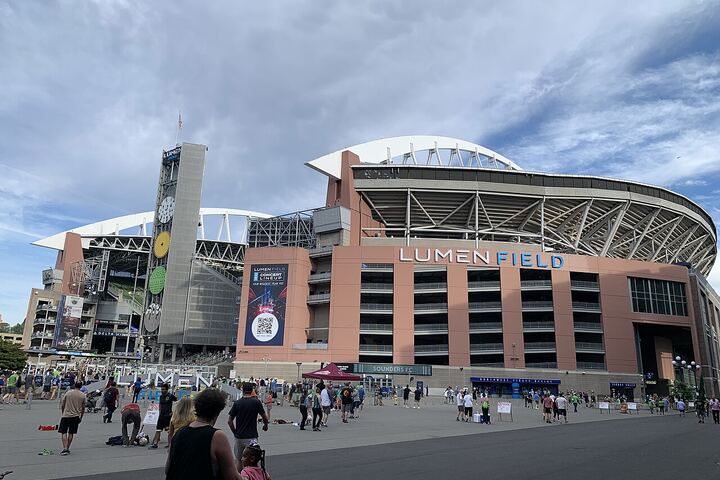
The FIFA World Cup 2026 ran as a 16-city tournament across Canada, Mexico and the United States from 11 June to 19 July 2026. FIFA's final standings record Spain as champions after a 1–0 extra-time win over Argentina. This ranking is preserved as Footbeen's practical view of the host cities for travelling fans, judged on logistics, stadium access, city-break appeal, multi-match potential and cross-border route value.
That distinction matters. A famous match is not automatically a good trip. A huge stadium can be a poor fan day if transport is awkward, hotels are badly located, or the city label hides a long suburban journey. The best World Cup host city for you may be the one where you can enjoy the whole weekend, not the one with the biggest capacity.
Use this with our World Cup 2026 stadium hub, the World Cup knockout stadiums page, the World Cup league page, the World Cup 2026 tickets guide, the World Cup stadium tracker guide, and the football travel planner. If you went to a match, Footbeen lets you save it and keep the stadium on your personal football map.
How we ranked the host cities
We scored the cities as a travelling fan would, not as a TV producer would.
- Logistics: how easy the trip looks once airports, city layout, accommodation and matchday movement are considered.
- Stadium access: whether the venue behaves like a city stadium or a regional event campus.
- City-break appeal: whether the city gives you a good trip even before the match.
- Multi-match potential: whether it pairs well with another host city or nearby football.
- Cross-border route value: whether it helps fans build a Canada-USA-Mexico story rather than one isolated match.
This is not a claim about current ticket availability or a prediction of atmosphere or match quality. FIFA remains the source of truth for the completed record.
1. Mexico City
Mexico City is the strongest World Cup 2026 host city for travelling fans because it combines tournament history, football culture and a confirmed anchor: FIFA has announced Mexico City Stadium, familiar as Estadio Azteca, for the opening match on 11 June 2026.
The trip has texture before you even talk about the fixture. It is not just a neutral event bowl; it is one of world football's major stadium names in a city that understands the occasion. The trade-off is altitude, scale and transport planning. Do not treat it as a casual stadium commute. Build the day around the ground.
2. Vancouver
BC Place Vancouver is the best North American city-break host in the tournament. The stadium is central, roofed, and easy to understand compared with several suburban venues. Vancouver also has the strongest obvious two-city route: pair it with Seattle Stadium if the fixture calendar gives enough time.
For first-time tournament travellers, Vancouver is attractive because the wider trip still makes sense if the match is not your dream fixture. That is exactly the kind of city you want when tickets are uncertain.
3. Seattle
Seattle ranks high because Seattle Stadium is one of the most football-fluent US stops and sits naturally in the city. It is also the best US partner for Vancouver, creating a clean cross-border route for fans who want two host stadiums without crossing the continent.
For stadium collectors, this is one of the first places to shortlist. It gives you a real city, a central ground and a route that does not depend on heroic travel.
4. Toronto
Toronto Stadium, familiar as BMO Field, is the smallest and most compact-feeling host venue on the list. That is a strength. A World Cup group match can feel more football-shaped in a tighter venue, and Toronto is a strong city-break base with lakefront, rail and hotel options.
The only reason it does not sit above Vancouver or Seattle is route value. Toronto is a brilliant one-city trip, but the easiest multi-host combinations are less obvious than the Pacific north-west pairing.
5. New York New Jersey
New York New Jersey Stadium, familiar locally as MetLife Stadium, has the biggest official draw: FIFA has confirmed it for the final on 19 July 2026. That makes it unavoidable for many fans.
It is also the classic example of a city label that needs careful reading. The stadium is in East Rutherford, New Jersey. A great trip is possible, but only if you plan it as a New Jersey stadium day with New York around it, not as a spontaneous Manhattan stroll.
6. Philadelphia
Philadelphia Stadium is useful because it pairs naturally with New York/New Jersey and gives fans a classic American sports-complex experience. It is not the most glamorous host city, but it is practical in the east-coast route picture.
If you are building a two-match trip, Philadelphia belongs on the shortlist because the journey logic is easy to understand.
7. Guadalajara
Estadio Guadalajara, familiar as Estadio Akron, gives you a Mexico route beyond the obvious Azteca pull. It is less central, so matchday transport matters, but it pairs well with Mexico City if the fixture calendar allows.
For fans who want a trip that feels less like a generic major event and more like a football journey through Mexico, Guadalajara has real appeal.
8. Monterrey
Estadio Monterrey, familiar as Estadio BBVA, may be the most visually distinctive venue in the tournament because of its mountain setting. That alone gives it collector value.
The practical caution is heat, transport and how much wider trip value you personally attach to Monterrey. For stadium-first fans, it is higher than this. For casual first-timers, it is a tougher start.
9. Atlanta
Atlanta Stadium is built for major-event scale. It will look and feel big, and the indoor setup reduces some weather anxiety. It is one of the easier US mega-stadiums to justify as a single-city trip.
Atlanta ranks mid-table because it is strong on event scale but less distinctive as a football travel route than Mexico City, Vancouver, Seattle or the east-coast cluster.
10. Dallas
Dallas Stadium, familiar as AT&T Stadium, is one of the tournament's huge indoor venues. For fans who want spectacle, it has obvious appeal.
The catch is that Arlington is not downtown Dallas. Plan accommodation, transport and exit routes carefully. A great stadium event is not the same thing as an easy city-football weekend.
11. Los Angeles
Los Angeles Stadium, familiar as SoFi Stadium, is a destination stadium with huge event energy. The problem is the trip around it. Los Angeles can be brilliant, but it punishes vague logistics.
If you know where you are staying, how you are getting to Inglewood, and how you are getting back, it can be excellent. If not, it drops quickly.
12. Miami
Miami Stadium has obvious holiday appeal and big-event logic. It also sits in Miami Gardens, so matchday is not simply a city-centre football walk.
This is a good trip for fans who actively want South Florida around the football. It is less compelling if your goal is pure stadium collecting with minimal friction.
13. Kansas City
Kansas City Stadium has loud-campus appeal and strong American sports identity. It may surprise people on atmosphere.
It ranks lower because it is less useful as a multi-city route and asks more of international travellers who are trying to combine matches efficiently.
14. Houston
Houston Stadium is a huge event venue in a major city, but for travelling fans the key questions are heat, distance and transport. It is viable; it just needs more practical care than the headline name suggests.
If you already want Houston, it can work. If you are choosing from scratch, there are easier first stops.
15. San Francisco Bay Area
San Francisco Bay Area Stadium, familiar as Levi's Stadium, has one of the most misleading city labels for casual visitors. The stadium is in Santa Clara, so your base and transport plan matter more than the phrase "San Francisco Bay Area" might imply.
The wider region is appealing, but this is a logistics-first venue.
16. Boston
Boston Stadium, familiar as Gillette Stadium, is the hardest host-city label in the tournament for casual football travellers. Foxborough can absolutely host major events, but the stadium is not a simple Boston city-centre day.
Boston itself is a strong city break. The stadium trip is the reason it ranks last for travelling fans.
Four practical World Cup route ideas
If you are going to one match
Pick Mexico City for history, Vancouver or Seattle for ease, or Toronto for a compact football-city feel. Use the official ticket page before you build non-refundable travel.
Two-city route
Vancouver-Seattle is the best practical pairing. Philadelphia-New York/New Jersey is the best east-coast alternative if dates line up.
Cross-border route
Canada-USA is easiest through Vancouver-Seattle. Mexico-USA routes can work, but require more flight and border-buffer discipline.
Stadium collector route
Cluster the 16 venues in Footbeen, then log only the matches and stadiums you actually reach. A clean four-stadium route beats an overbuilt eight-city plan.
Knockout-stage route
Once the bracket is the story, switch from broad city ranking to the knockout venue checklist: final-week New York/New Jersey, realistic transfers, and ticket discipline.
Track your shortlist in Footbeen
Footbeen is built for exactly this kind of football travel: save matches, log the ones you attend, tick off stadiums and keep every country on your map. Use the stadium map before you travel, the stadium tracker during the tournament, the World Cup stadium hub for host-venue links, and the travel planner if you want club football around the tournament.
FAQ
What is the best World Cup 2026 host city for travelling fans?
Our practical pick is Mexico City because it combines the confirmed opening match, Estadio Azteca history and genuine football culture. Vancouver, Seattle and Toronto are stronger if ease of travel matters more than symbolism.
Which World Cup 2026 host cities are easiest to combine?
Vancouver and Seattle are the cleanest two-city pairing. Philadelphia and New York/New Jersey are the most obvious east-coast pairing.
Are these rankings official?
No. FIFA is the official source for host cities, venues, dates and tickets. This ranking is Footbeen's editorial view of travel practicality.
Should I book travel before getting World Cup tickets?
Keep bookings flexible until you have an official ticket route, realistic availability and a stadium transport plan. Use FIFA's official ticket page as the source of truth.
Official sources: FIFA World Cup 2026 stadium guide, FIFA hosts, cities and dates, and FIFA World Cup 2026 tickets. Related Footbeen reads: World Cup 2026 stadium tracker and two-city World Cup travel routes.
Keep reading

Start your football journey
Free · iOS & Android · match search ready when you are
 Scan with your phone