Celtic Park matchday guide: visiting Paradise for the first time
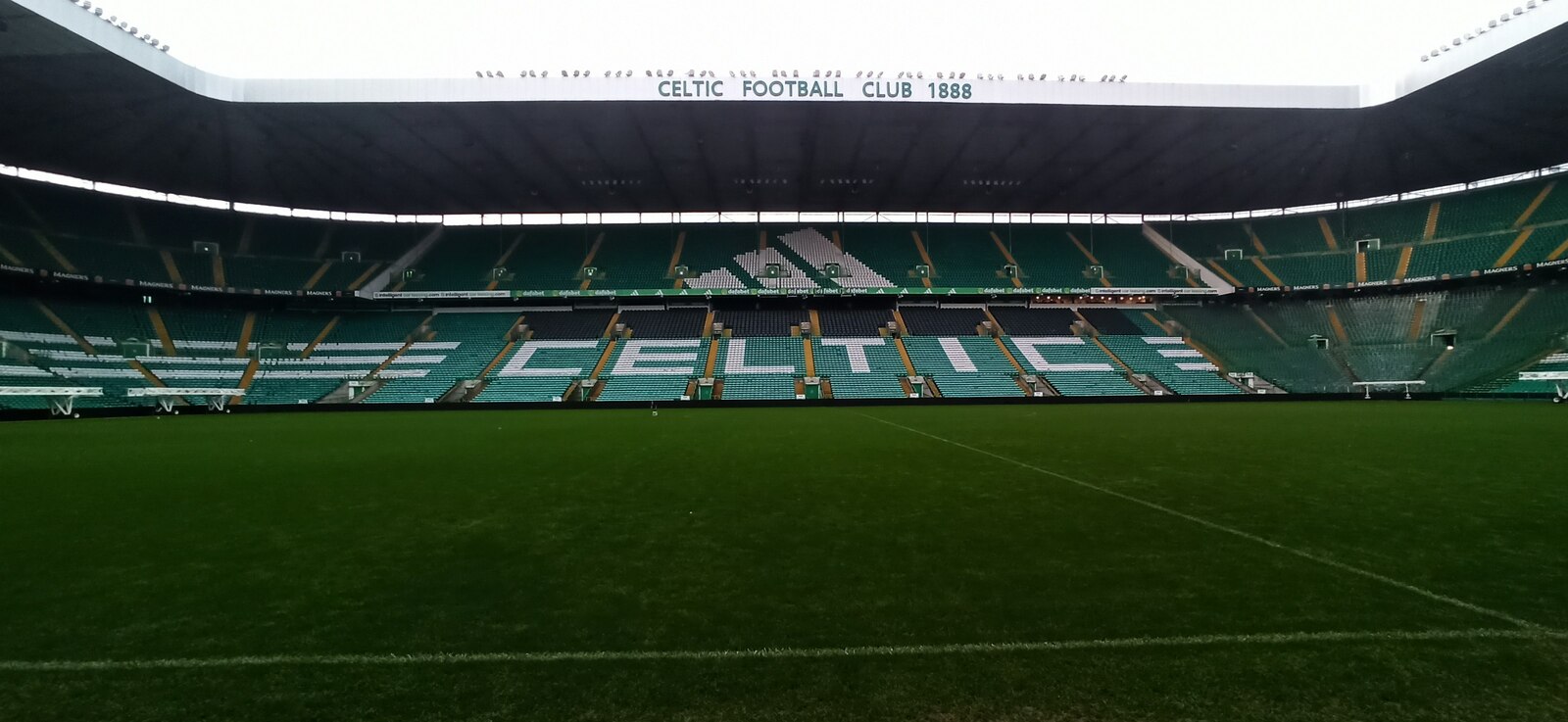
The club describes its capacity as around 60,000. Its nickname, Paradise, dates to the move to the present site in 1892: a local journalist compared the move with leaving a graveyard for Paradise.
This guide covers a Celtic Park visit for home supporters, away fans and neutral visitors. Plan tickets, the journey to Parkhead and the return route separately, using the rules for your actual fixture.
What to expect: atmosphere and scale
The club describes Celtic Park as a ground of around 60,000 places. Its stands and supporter traditions are part of the appeal, while atmosphere and available seating depend on the fixture and section. Check the current event configuration before choosing a ticket.
Use Celtic's official stadium map and the stand, block and entrance printed on your ticket. Visiting-supporter access is separate from home access; follow the visiting club's match-specific instructions rather than assuming a fixed allocation.
Celtic’s history page describes the major 1994–1998 redevelopment after Fergus McCann took control, including the new North, Lisbon Lions and Jock Stein stands. That history helps explain today’s layout; use the current stadium map for your own section and access needs.
Getting there: transport options
Celtic Park is in Parkhead in Glasgow’s East End. Compare public transport and walking routes from your actual starting point, allowing for crowds and any matchday road or parking restrictions.
By train
For a rail journey, compare services to Dalmarnock and Bridgeton:
Celtic’s visitor guide names Dalmarnock and Bridgeton for rail travel from Glasgow Central or Argyle Street. Check the current service and the walking route to your assigned entrance, allowing extra time for queues and crossings.
Compare the two stations using the current timetable, step-free requirements and your return destination. Do not assume one will always have shorter queues or a fixed walking time after a match.
ScotRail publishes matchday travel information on their website. Check for engineering works or service alterations before travelling, particularly for Sunday fixtures.
By bus
Use First Bus's current journey planner for a route to Parkhead and check the stop closest to your ticketed entrance. Allow for matchday congestion and diversions; do not rely on a fixed route number from an old guide.
By car
Before driving, check Celtic’s current parking arrangements and any accessible-space booking requirements. Confirm restrictions on surrounding streets and compare a permitted park-and-ride option with the full journey by car.
Use the current route and parking instructions for your fixture rather than a fixed motorway exit from an older guide. Leave time for diversions, road closures and the exit after full-time.
Tickets: how away fans get in
Away supporters should follow their club's ticket notice and Celtic's official visiting-supporter map. Allocation size and entrances can change by fixture, so use the details on your ticket rather than a generic stand or turnstile recommendation.
Buying tickets
Away league tickets are sold through the visiting club. For home seats, check Celtic’s official sale notice for the specific fixture: general sale, purchase-history restrictions and eligibility can vary. Do not assume that a neutral visitor can buy a ticket for every domestic game.
Official hospitality is another option when packages remain available. Check the exact fixture, included seat, services and terms before paying; hospitality can also sell out.
Pricing
Prices vary by fixture, seat category and sale phase. Compare the current official offer, including any membership or package conditions, before paying. Use only club-authorised sellers.
Inside the ground: facilities and practicalities
Use the stadium map to locate facilities near your assigned section. Check the current catering, payment and permitted-item information; services and availability can differ by stand and event.
Views from the away section
Use the visiting club’s current seating map and your ticket to identify the away section and entrance. Do not rely on a fixed compass corner or an assumed upper tier: allocations and accessible seating arrangements are fixture-specific.
Timing and entry
Check the turnstile opening time in the current match notice and allow time for security checks. Arrive early rather than relying on a universal 90-minute opening rule, particularly for European games and high-demand domestic fixtures.
Bag policies are strict. Large bags are not permitted, and all bags are subject to search. Check Celtic's matchday information page for current restrictions before travelling.
Pre-match: pubs and food near the stadium
The area immediately around Celtic Park is not packed with options, but there are viable choices within walking distance.
Pubs for away fans
For a predictable pre-match meal, choose a city-centre venue and leave time for the journey to Parkhead. Check opening hours and any matchday admission policy directly; do not assume a nearby pub admits away supporters.
Check a pub’s current matchday admission policy directly, including any home- or away-supporter restrictions. Follow your club’s guidance for the fixture and choose a meeting place that fits the onward route; neither a shopping centre nor a city-centre address guarantees suitable admission arrangements.
Food options
Compare nearby restaurants and takeaways with city-centre options using current hours, prices and reservations. If eating at the stadium, check the catering available in your section and leave time for queues before kick-off.
Stadium tours and Celtic history
Celtic offers stadium tours through its official website. If your trip does not coincide with a match, check the booking calendar and package description before travelling.
Use the club’s stadium-history page to understand the move in 1892, the 1994–1998 redevelopment and the ground’s connection with the Lisbon Lions. Tour routes and access to individual areas should be checked in the current booking description rather than assumed.
Booking is available through Celtic's official website. Tour prices are separate from match tickets.
What to log in Footbeen
After attending, record the match and visited stadium in Footbeen. Keep your own notes about the seat, atmosphere and travel alongside the record. Take photographs only where the venue permits them.
Use the Stadium Map to explore other Scottish grounds. Rangers play at Ibrox Stadium; the Ibrox matchday guide gives separate visit information. Edinburgh also offers Hibernian and Heart of Midlothian. Combining matches depends on confirmed dates, ticket eligibility and transfer time.
Quick reference
| Capacity | Around 60,000 (club’s published description) |
| Opened | 1892 (current site), redeveloped 1994-1998 |
| Away section | See ticket and official visiting-supporter information |
| Train stations | Dalmarnock and Bridgeton; check the walking route to your entrance |
| Ticket source | Visiting club (away), Celtic FC official website (home) |
| Tour available | Yes, via Celtic FC official website |
Related reading
- Best football atmospheres in Europe: ranked
- How to plan a two-match football weekend
- European groundhopping: 10 weekend routes with 2+ stadiums per trip
Useful sources
- Celtic FC official matchday information: celticfc.com/visit-celtic-park/matchday-information — official source for ticketing, entry times, and bag policies
- ScotRail travel information: scotrail.co.uk — train times and matchday service updates
Always check official club and transport sources before travelling, as policies, prices, and service patterns change.
Official club sources: Celtic Park history; visiting-supporter accessibility guide.
Keep reading

Start your football journey
Free · iOS & Android · match search ready when you are
 Scan with your phone