Santiago Bernabéu: the complete matchday guide for visiting fans
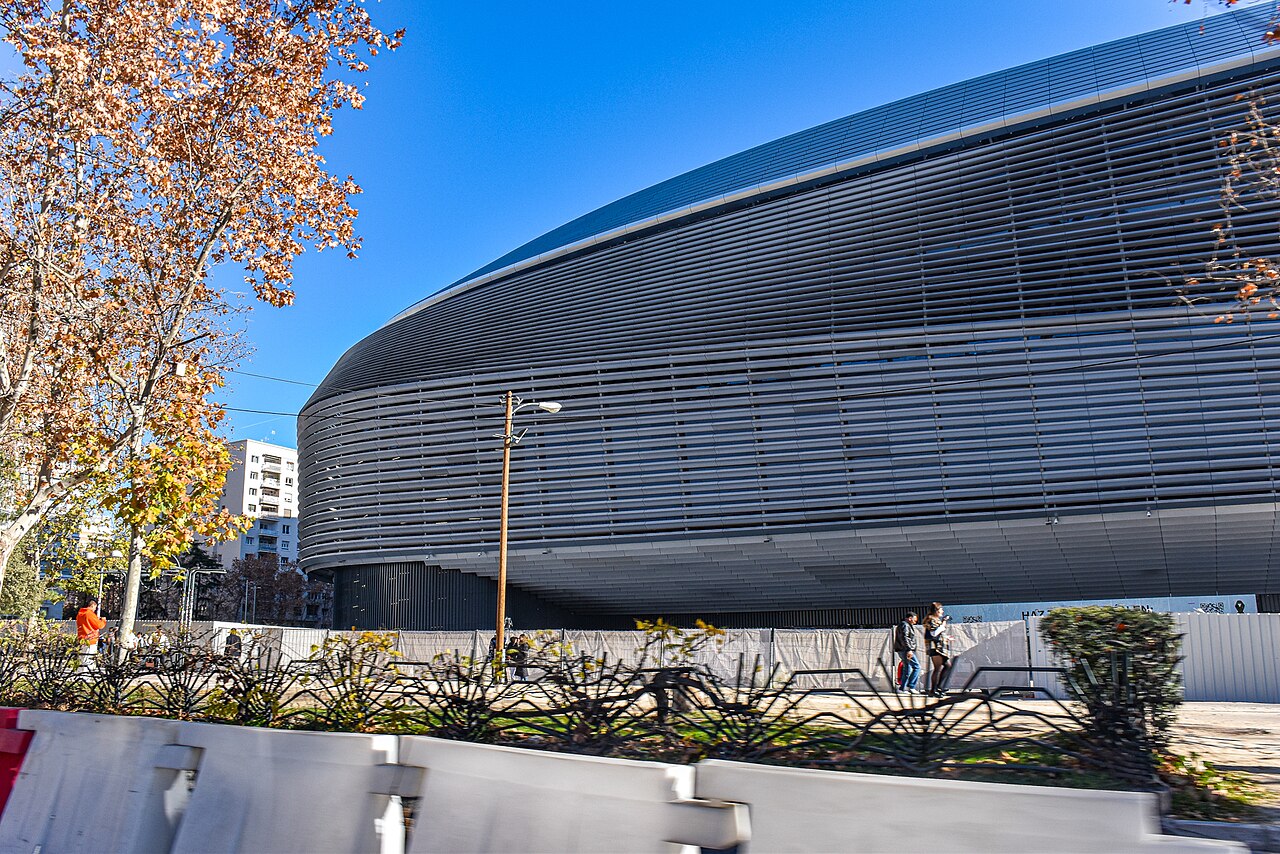
The Santiago Bernabéu is not just a bigger, shinier version of the old Real Madrid ground. The renovation has made it feel more vertical, more event-led, and more tightly managed on matchdays. The history is still there, but the practical visit is modern Madrid: digital tickets, busy transport corridors, security rules, hospitality zones, and crowds spilling onto Paseo de la Castellana.
This guide is for first-time visitors, neutrals, and away fans who want the day to work smoothly. For the wider country context, start with our La Liga stadium travel guide.
The stadium experience
Estadio Santiago Bernabéu now feels more like an arena than a traditional open football bowl. The renovated exterior and hospitality areas create a sense of spectacle before the match has started. For some fans, that polish is the point. For others, the best bits remain the old ones: the white shirts, the European-night tension, and the expectation that Madrid can turn a match in ten minutes.
Atmosphere varies by fixture. A routine La Liga match can be watchful rather than noisy. A derby, Clasico, or Champions League knockout feels completely different. The Bernabéu crowd often reacts to the match rather than singing through it, but when the game tips toward a comeback, the stadium can still become overwhelming.
Tickets and sale routes
Use Real Madrid's official ticketing channels first. General sale timing, seat availability, and prices move by opponent and competition, and high-demand fixtures can be difficult without membership access, hospitality, or an away allocation.
If you are travelling with the away support, your own club's ticket office is the route that matters. Do not buy a home-section seat and assume you can move into the away end. If you are a neutral, choose a home area, avoid opposition colours, and keep the day simple.
Treat resale with caution. The Bernabéu is a bucket-list stadium, which makes it attractive to sellers who know visitors are travelling from abroad. If you cannot verify the route, walk away.
Getting there in 2026
The Bernabéu is on Avenida Concha Espina by Paseo de la Castellana. Real Madrid's stadium site lists Santiago Bernabéu on Metro Line 10, Nuevos Ministerios for Cercanías, and EMT bus lines including 14, 27, 40, 43, 120, 126, 147, and 150.
There is an important 2026 caveat: the Madrid regional transport authority says Line 10 is interrupted between Cuzco and Nuevos Ministerios from March 28 until the end of the year while Santiago Bernabéu station is renewed. A substitute S10 bus links Plaza de Castilla, Cuzco, Santiago Bernabéu, and Nuevos Ministerios, with other alternatives including EMT lines 27 and 147, reinforced Metro lines 1 and 9, and Cercanías via Nuevos Ministerios.
That changes the usual advice. Check the latest transport notice on matchday, then plan around walking from Nuevos Ministerios, Cuzco, Plaza de Castilla, or a nearby bus stop rather than assuming Line 10 will drop you at the stadium door.
Arrival and entry
Arrive early enough to find your gate without rushing. The stadium footprint is large, and the rebuilt exterior can make first-time orientation harder than it looks on a map. Keep your ticket and ID available, and follow the gate printed on the ticket rather than cutting toward the nearest queue.
Expect security checks at the entrance and read the match organiser’s current rules on bags, food and drinks. Do not rely on luggage storage: the general stadium FAQ describes an external service whose location and availability depend on the event. Confirm the arrangement for your match before bringing luggage.
Check the organiser’s camera policy before bringing photographic equipment. Personal phone photos and professional equipment may be subject to different conditions.
Where to sit
Compare the side stands with the areas behind the goals on the official seating plan. A lower tier brings you closer to the pitch, while a higher tier gives a broader view; check the specific seat and any view restrictions.
Check the seating plan and supporter-section restrictions before buying. Away supporters should follow their own club’s allocation and entry instructions.
Before paying extra, check the seat, its view and the services included in the offer. A premium price does not by itself describe the experience you will get.
Around the ground
The Bernabéu neighbourhood is businesslike rather than romantic. There are bars and restaurants around Plaza de Lima, Castellana, and the surrounding side streets, but the atmosphere spreads out instead of gathering in one obvious pre-match strip.
Choose somewhere to eat before travelling to the stadium, and leave time for the journey and entry checks. Recheck the route while Line 10 works affect the nearest Metro access.
If you want the stadium tour, book it separately and check the official schedule. Tour routes and opening times can vary because of events and stadium operations, and a matchday is not the moment to rely on a full behind-the-scenes visit.
Make it a Madrid football weekend
Madrid offers more than one stadium for a football trip. Atlético Madrid play across the city at the Metropolitano, and a Real-Atletico double is realistic if the fixture slots cooperate. It is not a casual walk between grounds, though, so use the Travel Planner and build in time for transport disruption.
For a longer Spanish trip, the Bernabéu pairs naturally with Barcelona, Valencia, Bilbao, Seville, or San Sebastian. Spain rewards fans who plan by rail lines and fixture windows instead of trying to force one headline match.
What to log in Footbeen
Log the match and add photos and personal notes about your stand, view, journey and atmosphere. Keep your observations in the visit notes.
Footbeen adds the Bernabéu to your personal Stadium Map, tracks your Spain record, and keeps the match alongside the rest of your football journey. If you are building a country passport or a major-stadium list, this is one of the obvious Madrid entries.
Quick reference
| Ground | Estadio Santiago Bernabéu |
| Club | Real Madrid |
| League | La Liga |
| Area | Chamartín, Madrid |
| Normal transport | Metro Line 10 / Nuevos Ministerios / EMT buses |
| 2026 transport caveat | Line 10 interrupted between Cuzco and Nuevos Ministerios until year-end |
| Best ticket route | Official Real Madrid channels; away tickets through your own club |
| Related guide | Football travel in Spain |
Sources checked
- https://bernabeu.realmadrid.com/es-ES/planea-tu-visita
- https://bernabeu.realmadrid.com/en-US/faqs
- https://static.realmadrid.com/StaticFiles/RealMadrid/img/pdf/A2_NORMATIVA_v3_en.pdf
- https://www.crtm.es/comunicacion/actualidad-del-servicio/avisos/19032026-alternativas-de-transporte-suspension-l10-metro-cuzco-nuevos-ministerios/?lang=es
- https://www.realmadrid.com/en-US/tickets
- https://www.realmadrid.com/en-US/tour-bernabeu/individual
Keep reading

Start your football journey
Free · iOS & Android · match search ready when you are
 Scan with your phone