Old Trafford: the complete matchday guide for visiting fans
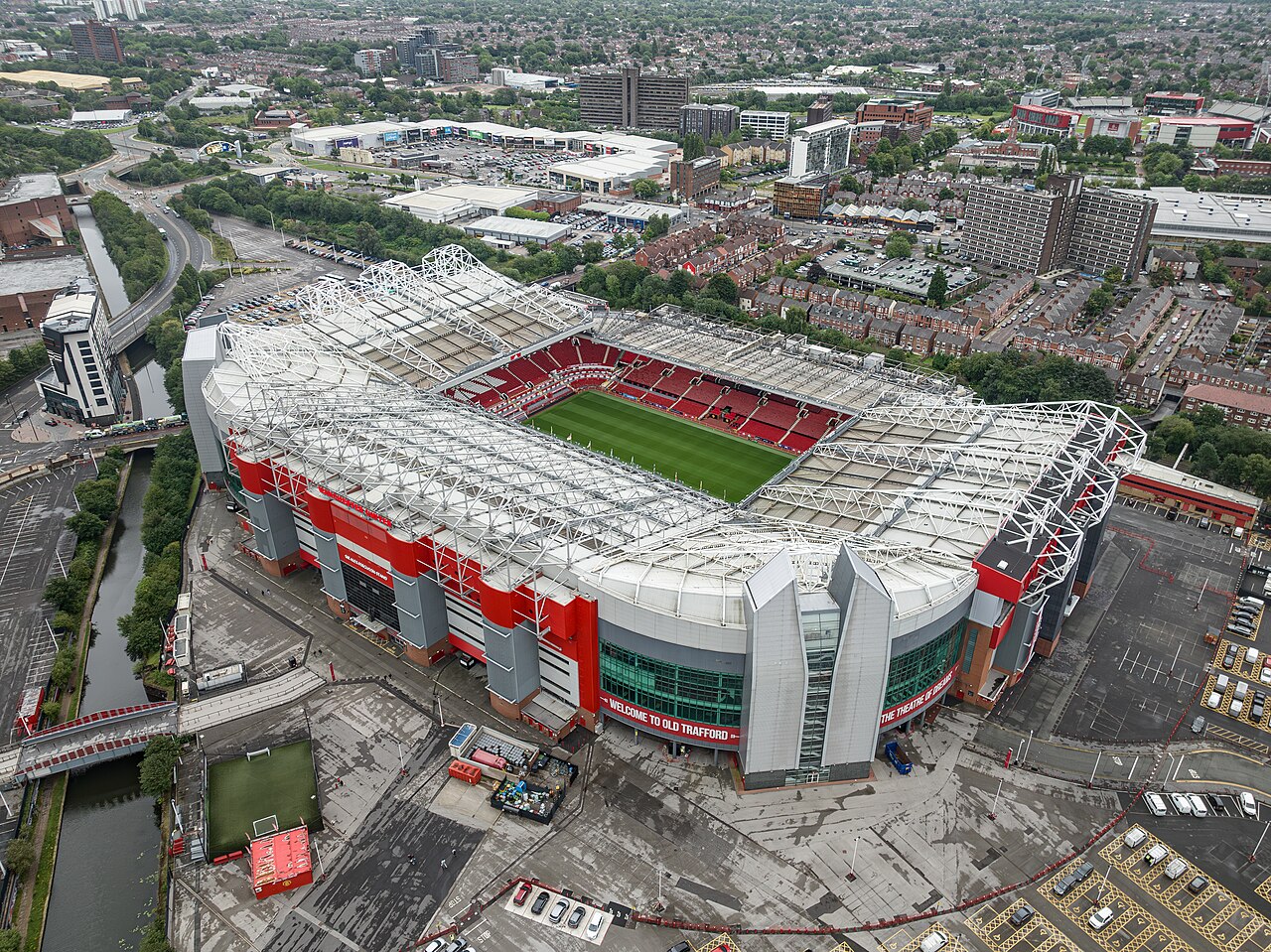
Make the final mile part of the plan
Old Trafford is close to central Manchester on a map, but crowd movement changes the post-match journey. Decide the return route before choosing the train home.
For the current season, make these three checks before acting:
Confirm the official ticket source.
Compare tram, walk and rail exits.
Add margin before the last inter-city service.
Check the 2026/27 Fixture Calendar against the official competition or club.
Keep a second match visible through the Football Match Map.
Use the relevant Footbeen planner to explore Manchester fixtures, then confirm dates, tickets and return transport with the organisers and operators.
Watching Manchester United on television does not show every practical part of an Old Trafford visit. Your day also depends on ticket eligibility, entrance queues, transport and the route home. Plan these before booking the trip.
This guide covers tickets, the approach and return transport for a first visit or away trip. For a wider itinerary, read the football in Manchester stadium guide or compare other grounds in the Premier League stadium guide. Confirm each fixture’s official arrangements separately.
Buy home tickets through Manchester United’s official channels and read the eligibility and sale phase for your fixture. Availability, membership requirements and authorised hospitality vary by match. Away tickets should come through the visiting club. Our guide to getting football tickets abroad explains how to assess official purchasing routes.
Why Old Trafford still matters
Old Trafford’s appeal comes from Manchester United’s history and its established matchday setting. Check the venue on your match ticket and the club’s current development announcements before booking travel; a proposal does not establish a closure date.
The Sir Alex Ferguson Stand, Stretford End, Munich memorials and statues give Old Trafford a recognisable identity. Leave time to see the landmarks on Sir Matt Busby Way, while following any matchday closures and steward directions.
The atmosphere changes with the opponent, score and your section. Choose the fixture for your own interests rather than expecting constant noise or a particular crowd response.
Arriving in Manchester
Most visitors arrive through Manchester Piccadilly, the main rail station. It works for trains from London, Birmingham, Leeds, Liverpool, Sheffield, Glasgow, and the airport. Oxford Road and Deansgate can be useful if your train stops there, but Piccadilly is the default base.
Compare city-centre accommodation with options near the stadium using your arrival station, budget and return route. Check travel times and late services for the actual match date before choosing a base.
Getting to Old Trafford
TfGM recommends an Altrincham-line tram from Piccadilly to Old Trafford, followed by a walk to the ground. Trafford Bar, Wharfside and Exchange Quay are alternatives on different lines. Check planned works before travelling. After matches, city-bound trams on the Trafford Park line do not stop at Imperial War Museum; use Wharfside or follow TfGM’s current alternative advice.
Arrive earlier than the timetable suggests. The tram journey itself is short; the queue, platform crowding, and last-mile walking are the real variables. For a Saturday 15:00 kick-off, aim to be moving from the city centre at least two hours before kick-off if you want a calm build-up. For evening matches, be stricter. The city is busier, trains home are tighter, and the margin for error shrinks.
A walk from the city centre can be an alternative to the tram. Check the route, distance, weather and any closures from your actual starting point, and allow extra time near the stadium. For a different English matchday itinerary, see the Anfield guide.
Driving is the option to avoid unless you have a specific reason. Official parking exists, but matchday traffic around Chester Road, Sir Matt Busby Way, and the local motorway network is heavy. If you drive, book parking in advance and expect the exit to take time. If you are staying overnight, leave the car at the hotel.
Where to be before kick-off
Old Trafford is not a "one perfect pub" ground. Your best pre-match depends on whether you are home, away, neutral, or just trying to keep the day simple.
City centre first
The Northern Quarter, Ancoats, Deansgate and Castlefield offer city-centre options for a meal before travelling to the ground. Compare opening hours, reservations, prices and the onward route; allow time for food queues at the stadium if you eat there.
Pub admission can depend on the fixture and supporter category. Check the venue’s matchday policy and your club’s visitor guide before choosing a meeting place; a central location does not itself guarantee admission or suitability.
Around the ground
Choose a pre-match venue using its current opening hours, booking requirements and matchday admission policy. A central Manchester meal can be a simpler option than relying on a crowded pub near the stadium. Away supporters should follow their own club’s advice.
If you are an away fan, do not assume yesterday's forum advice is still valid. Away pub arrangements can change by opponent, policing plan, and kick-off time. Check your own club's supporter information before travelling. A lot of away fans use central Manchester, then head to the ground later as a group.
Food near Old Trafford
Check nearby food outlets’ opening hours and queues before relying on them. Compare a meal in central Manchester with eating near the ground, allowing time to reach your assigned entrance.
The walk in
Leave time to see Sir Matt Busby Way, the United Trinity statue and the Munich memorials before entering. Follow steward directions and keep access routes clear when taking photographs.
Take photographs where permitted and keep moving when stewards ask. Earlier arrival may give you more time outside the ground; after full-time, follow the crowd-management arrangements and your return plan.
Security and turnstile checks are standard major-stadium procedure. Travel light. Keep your ticket ready before you reach the gate. If your ticket is on your phone, charge it before leaving the city centre and keep brightness high when you approach the scanner. Bring ID if your ticket route or away allocation requires it.
Inside the ground
Old Trafford has developed over many generations. Stand layout, access routes and facilities differ by section; read the ticket’s location and current venue information rather than assuming every part of the stadium offers the same experience.
The Stretford End is the emotional home end, behind the west goal. The Sir Alex Ferguson Stand is the huge north stand and gives the ground much of its visual weight. The Sir Bobby Charlton Stand is the older south side, with the dugouts and television angle. The East Stand faces the Stretford End and includes the away corner.
Compare the official seat map and any restricted-view information before choosing a home ticket. A central side stand and an end stand offer different perspectives; your preferred view, access needs and the available sale category should guide the choice.
Do not judge Old Trafford by the first ten minutes alone. The ground can start slowly, especially against a less glamorous opponent, then wake up around pressure moments. When it catches, it catches fast. The stadium is so large that a single attack can feel like sound rolling from one end to the other.
The away end
Check the section and entrance assigned to your away ticket against the visiting club’s fixture guide. Confirm turnstile opening time, collection arrangements, coach parking and any steward or police directions for that match.
The corner location gives a different perspective from a central side stand. Compare the official seating plan and any restricted-view notices; crowd noise and sightlines depend on the assigned block, seat and fixture.
For away fans, the practical test is simple:
- Can you get to the turnstiles without rushing?
- Do you know where your coaches or post-match route are?
- Is your phone charged for the ticket and the way home?
- Have you checked whether bags, flags, or battery packs are restricted?
- Do you have a plan if the tram queue is longer than expected?
Leave a realistic margin for the stadium approach, entry checks and return transport. Confirm the visiting club’s instructions instead of relying on another fixture’s arrangements.
Full-time and getting away
Plan the route to your return station before kick-off. Allow for tram queues and check TfGM’s post-match stop advice. Walking part of the route may be an alternative where permitted, but it still needs enough time for the onward train.
If staying overnight, compare waiting for the queues to ease with walking a permitted route. Check the weather, accessibility and last service before choosing.
For away coaches, follow your club's instructions. Do not wander off for photos if your coach departure is tightly managed. It sounds obvious, but Old Trafford's scale makes distances feel shorter on the map than they are in the crowd.
What to bring
Pack like you are attending a big city event rather than a small local ground:
- Ticket and purchase confirmation. Save the ticket in the format the club requires and keep the confirmation available for support; an email or printout is not automatically valid for entry.
- Photo ID. Especially useful for away allocation collections or ticket checks.
- A portable charger, if permitted under the current stadium rules. Your phone may be needed for the ticket, maps and travel updates.
- Layered jacket. Manchester weather can change quickly, and evening games bite.
- Small bag only if necessary. Check the latest rules and avoid anything bulky.
- Clear post-match route. Save tram stops, walking route, and last train before kick-off.
After attending, record the match and follow your visited grounds with the stadium tracker. Keep your own notes about the stand, view and transport alongside that record for planning another trip.
Making it part of a Manchester weekend
Manchester and the surrounding area offer several possible football stops, including Old Trafford, the Etihad, Stockport, Bolton, Wigan, Salford, Rochdale and Oldham. Explore listed fixtures with the football travel planner and locations with the stadium map, then confirm dates, tickets and transfers before combining visits.
Combine matches only when confirmed kick-off times and travel margins make the plan realistic. Check the last return service before committing to a second fixture; a suggested weekend sequence is not a confirmed timetable.
For another major English stadium trip, read our Anfield matchday guide. Compare each ground’s official ticket, transport and entry guidance rather than expecting the same arrangements.
FAQ
What is the best way to get to Old Trafford for a match?
TfGM recommends the Altrincham-line tram from Piccadilly to Old Trafford. Check the current service and planned works for your match date, leave time for the walk and queues, and review post-match stop restrictions before choosing the return route.
Where is the Old Trafford away end?
Use the section and entrance on your away ticket and the visiting club’s current fixture guide. Allocation and entry instructions are event-specific; confirm them before travelling rather than relying on an older seating description.
Can first-time visitors get Manchester United tickets?
Possibly, depending on the fixture, sale phase and eligibility. Check Manchester United’s official ticketing pages for the current rules and availability; membership or a first visit does not guarantee a seat. Use only club-authorised purchasing routes.
What are the best Old Trafford pubs before a match?
Check current opening hours and matchday admission rules before choosing a pub. Central Manchester offers alternatives if nearby venues restrict entry or require a booking; away supporters should follow their club’s visitor guide.
Is Old Trafford worth visiting if the stadium needs renovation?
If the club lists a match at Old Trafford and you can obtain a valid ticket, its history and stands can make it a worthwhile visit. Check current facilities, accessibility and venue notices against your own needs before booking.
Official guidance: TfGM travel to Old Trafford; Premier League ticket purchasing.
Keep reading

Keep your football journey in Footbeen
Record matches only after attending, mark visited stadiums and build your personal football history in Footbeen.
 Scan with your phone