Stade de France: the complete matchday guide for visiting fans
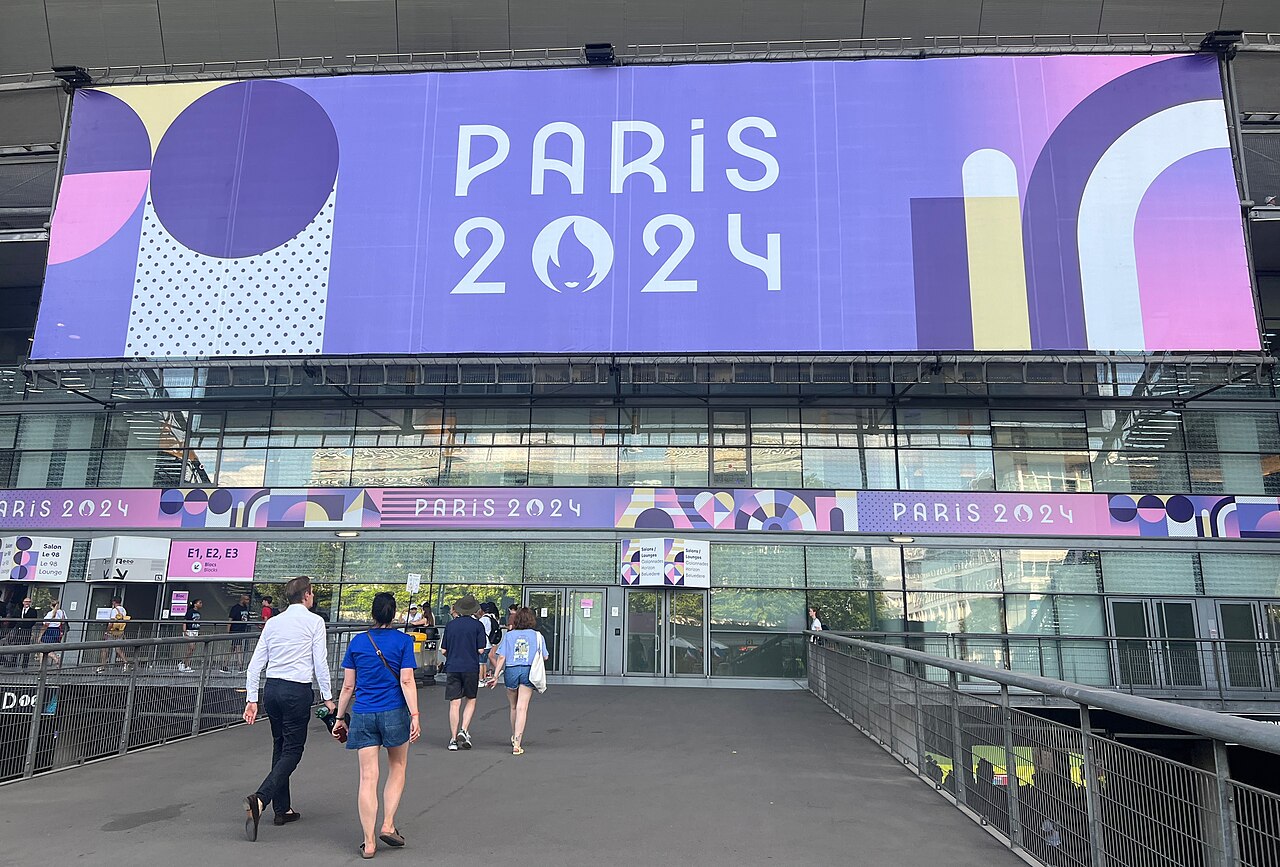
What makes the Stade de France different
The Stade de France is not a club ground. It belongs to the French state and hosts the France national football team, the French rugby union team, and the biggest cup finals in French sport. That changes everything about the matchday experience. There are no season ticket holders who have sat in the same seat for decades. No local pub where the same faces gather before every match. Instead, you get a crowd drawn from across France — and increasingly from abroad — who have travelled specifically for this fixture.
The stadium opened in 1998 for the World Cup final where France beat Brazil 3-0. It holds more than 80,000 spectators, making it the largest stadium in France and one of Europe's major national grounds. The architecture is distinctive: a flat, elliptical roof that appears to float above the stands, with its supports arranged around the perimeter. The bowl is steep and tight to the pitch, which helps the atmosphere despite the cavernous scale.
For groundhoppers, the Stade de France is essential. It hosted the Champions League finals in 2000, 2006 and 2022, as well as the 1998 World Cup final. But it is also a practical venue to visit. Located just north of Paris in Saint-Denis, it is reachable by public transport from central Paris in under 30 minutes. The area around the stadium has improved significantly since the 1998 opening, though it remains a working-class suburb rather than a polished tourist district.
Getting there
The Stade de France sits in Saint-Denis, a commune just north of the Paris city limits. Do not try to walk from central Paris — it is too far. The stadium is designed around public transport, and on matchdays the RER and Metro handle the bulk of the 80,000 crowd.
By RER (suburban rail)
The RER is the most common route. Two lines serve the stadium:
RER B to La Plaine Stade de France: The operator lists about 4 minutes from Gare du Nord and 8 minutes from Châtelet. These are train times, not door-to-gate estimates. Allow additional time for the walk and event controls.
RER D to Stade de France Saint-Denis: The operator lists about 5 minutes from Gare du Nord and 9 minutes from Châtelet. Choose the station and approach specified in your event information rather than assuming either station is next to your gate.
Keep both your transport pass and match ticket handy. Matchday crowd control can mean extra checks around the stations and stadium approaches.
Source: Stade de France official transport guide
By Metro
Metro line 13 serves Saint-Denis - Porte de Paris. The operator also lists lines 12 and 14 among the access options. Compare the current journey and walking route with your ticket gate; check event-day service and the last train before travelling.
Other public transport
Use the operator’s current access map and the transport planner for bus or tram connections. A route number alone is not enough to establish an event-day service or a suitable walk to your gate.
By car
Do not drive unless you have no alternative. Matchday traffic around Saint-Denis is heavy, parking near the stadium is limited and expensive, and the exit after the match is slow. The stadium does operate car parks, but spaces must be booked in advance and fill quickly for major fixtures.
Tickets and access
France national team matches are the main football attraction at the Stade de France. The ticketing system is straightforward but demand varies enormously depending on the opponent.
Buying tickets
Official sources: The French Football Federation (FFF) sells tickets through their official channels. For major tournaments and competitive matches, check the Stade de France official ticket office and the FFF website.
Sale eligibility: Read the particular FFF or organiser sale notice. Membership priority, sales windows and availability depend on the event; do not book a trip on the assumption that general sale will open.
Pricing: Prices vary by opponent, competition, category, and seat location. Premium hospitality packages are available through the stadium's official channels at significantly higher prices.
Resale caution: Start with the organiser’s authorised route. The stadium’s official exchange is available for only part of its programme, so check that your event is covered. A third-party platform’s buyer protection does not establish that its tickets are authorised.
Stadium entry
Use the opening time in the event notice and on your ticket; there is no universal gate-opening time for every event. Arrive early — security checks are thorough and queues build quickly. The stadium has multiple entry gates; your ticket will specify which zone to use.
The operator’s prohibited-items rules permit standard backpacks up to 15 litres and prohibit suitcases and larger bags. They describe a free deposit service by each gate, but explicitly refuse suitcases and oversized bags for deposit. Do not arrive expecting luggage storage, and recheck any event-specific changes.
Source: Stade de France official ticketing
The matchday experience
Atmosphere and crowd
The Stade de France atmosphere varies more than a club ground. For a friendly against a minor nation in November, the stadium can feel half-empty and subdued. For a World Cup final or a Six Nations decider, it is among the loudest venues in Europe. The 1998 World Cup final created the template: the French national anthem, La Marseillaise, sung by 80,000 voices, remains one of football's great sonic experiences.
The crowd is more diverse than a typical club match. You will see families, corporate groups, tourists, and hardcore ultras who follow the national team across Europe. The FFF has worked to build a more consistent supporter culture, and the "Ultras des Bleus" groups now occupy specific sections and produce coordinated displays.
The stadium itself
The bowl is steep and sightlines are excellent from most seats. The lower tier is close to the pitch — closer than many modern stadiums — which helps atmosphere. The upper tiers are high but the rake is steep enough that you still feel connected to the action.
The roof covers all seats but is open at the sides, so weather can still affect the upper rows. The stadium has under-soil heating and excellent drainage, so pitch quality is usually high regardless of conditions.
Food and drink
Concourse catering is standard stadium fare — hot dogs, sandwiches, beer, soft drinks. Prices are high by French standards but not extortionate. There are more options outside the stadium in Saint-Denis, though the immediate area is not a destination for pre-match dining. Most fans eat in central Paris before travelling to the stadium.
Check the stadium catering page and the organiser’s rules for the event’s food and drink offer. Do not assume alcohol will be sold or permitted in the stands. Bringing alcoholic drinks into the stadium is prohibited by the operator’s items policy.
What to check before travelling
Fixture confirmation: France friendly matches are sometimes moved to other venues — Lyon, Marseille, or Lille — depending on stadium availability and FFF scheduling decisions. Confirm the venue before booking travel. The Stade de France website and FFF channels are authoritative.
Kickoff times: International matches kick off at various times depending on broadcast schedules and UEFA/FIFA windows. Evening kickoffs are common but not universal. Check the specific fixture time before planning your day.
Transport strikes: Paris public transport is occasionally affected by strikes. Check RATP and SNCF status in the days before your trip. The RER B line in particular has a history of disruption.
Saint-Denis matchday crowds: Stick to the main signed routes, keep valuables secure, and allow extra time for crowd control. The walk from La Plaine station to the stadium is busy and well-managed on major matchdays.
Groundhopping around Paris
The Stade de France pairs naturally with other Paris football experiences. If you are making a weekend of it:
Parc des Princes: PSG play at the Parc des Princes, about 45 minutes southwest by Metro. It is a completely different experience — a club ground with season-long rhythms, ultras culture, and a more intimate 48,000 capacity. See our Ligue 1 stadium guide for details.
Other Ligue 1 options: If the fixture list works, consider trips to Lens, Lille, or Rennes — all reachable by train from Paris in under two hours. Our Ligue 1 stadium guide covers the best options.
What to log in Footbeen
After your visit, record the details in Footbeen:
- Match result and scorers: France matches are historically significant — distinguish a match you attended here from celebrations or events held elsewhere in Paris.
- Your seat and view: The Stade de France has distinct zones. Note which tier and which stand — it helps other fans planning their visit.
- Atmosphere rating: Was this a full-house epic or a sparse friendly? Your rating helps build the picture for other groundhoppers.
- Photos: The stadium exterior, the interior bowl, and the walk from the RER station all make good memory captures.
- Travel notes: Which RER station did you use? How long did security take? Your notes become intelligence for the next visitor.
The Stade de France is a bucket-list ground for any serious groundhopper. It lacks the weekly rhythm of a club stadium, but when the crowd is up for it — when La Marseillaise echoes around the bowl and 80,000 people react as one — there is nothing else like it in France.
Quick reference
| Capacity | 80,000+ |
| Opened | 1998 |
| Location | Saint-Denis, Paris suburbs |
| Tenants | France national football and rugby teams |
| RER B | La Plaine Stade de France; allow time to reach your ticket gate |
| RER D | Stade de France Saint-Denis; allow time to reach your ticket gate |
| Metro option | Line 13 to Saint-Denis - Porte de Paris |
| Ticket source | FFF official channels, Stade de France ticket office |
| Pricing | Varies by fixture and seat category |
| Gates open | Check the specific event notice |
| Bag policy | Standard backpack up to 15 litres; check event conditions |
Source URLs
- Stade de France official transport guide: https://www.stadefrance.com/en/practical-information/how-to-get-there
- Stade de France official ticketing: https://www.stadefrance.com/en/tickets/football
- Stade de France prohibited items: https://www.stadefrance.com/en/practical-information/prohibited-items
- Stade de France official exchange: https://www.stadefrance.com/en/practical-information/official-ticket-exchange
- Stade de France catering: https://www.stadefrance.com/en/practical-information/food-beverage-offers
- UEFA on the 2000, 2006 and 2022 finals: https://www.uefa.com/news-media/news/0275-153e57ec26c0-5fc40ccc5063-1000--welcome-to-the-uefa-champions-league-final/
Keep reading

Start your football journey
Free · iOS & Android · match search ready when you are
 Scan with your phone