Football in Barcelona: Camp Nou, Montjuic, and the city that rebuilt its stadium
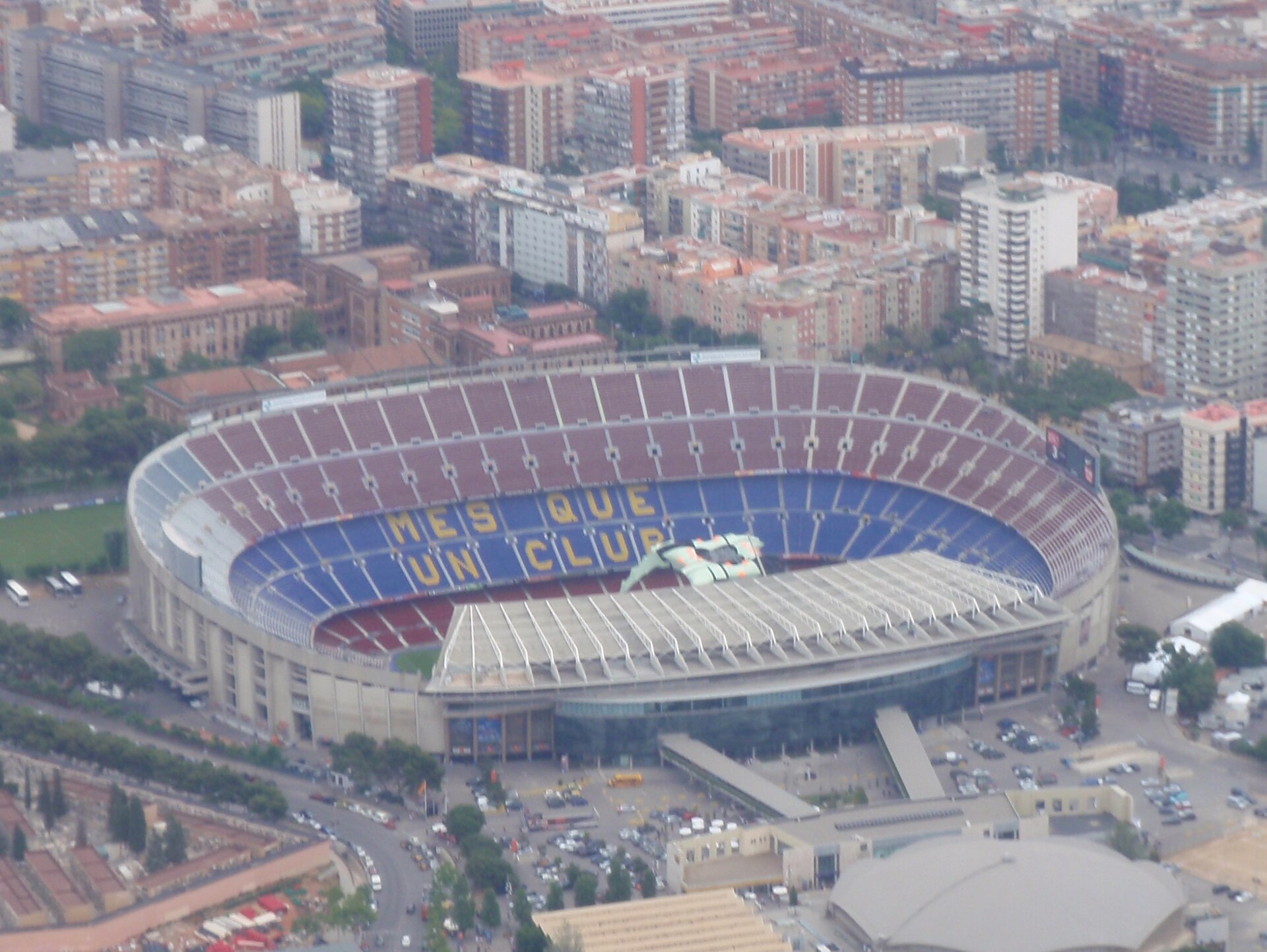
A city in the middle of the biggest rebuild in European football
Barcelona are doing something no club of their size has ever attempted while remaining competitive at the highest level: tearing down and rebuilding their stadium from the inside out. Camp Nou — the largest football ground in Europe for over six decades — is being transformed into a 105,000-seat arena with a full roof, modern amenities, and a design that is meant to carry the club through the next half-century. The project has been chaotic, over budget, delayed, and controversial. It has also been one of the most fascinating construction stories in world football.
For visitors planning a football trip to Barcelona in 2026, distinguish a phased return from a completed rebuild. Barcelona are back at Camp Nou: the club’s 10 March Phase 1C statement put available capacity at 62,652 with the North Goal open. Its 2026/27 pass announcement still describes limited capacity and a gradual return. Verify the venue and open sections for your match; Montjuic should not be assumed to be the current home.
Camp Nou: the rebuild
The Espai Barca project was approved by club members in 2022, and demolition of the old third tier began in 2023. The plan is ambitious: expand capacity from 99,354 to approximately 105,000, add a complete roof structure, overhaul every internal facility, and modernise the commercial spaces around the ground. When finished, it will be the largest football stadium in Europe by a comfortable margin.
As of early 2026, the rebuild is in its advanced stages. Barcelona have begun a phased return to Camp Nou, with parts of the stadium open for matches while construction continues on remaining sections. The experience of attending a match there right now is unlike anything else in football — you are watching a top-level La Liga match inside what is essentially an active construction site. Cranes tower over certain sections. Some stands are incomplete. The atmosphere is raw and strange and genuinely memorable.
If you are a groundhopper who values unique experiences over comfort, visiting Camp Nou during the rebuild is actually an argument for going now rather than waiting. The finished product will be spectacular, but there is something irreplaceable about being there during the transition — sitting in a partially built stand, watching world-class football with scaffolding in your peripheral vision. Twenty years from now, you will have a story that nobody who waited for the finished version can match.
Montjuic: the temporary home
While sections of Camp Nou were fully closed, Barcelona played at the Estadi Olimpic Lluis Companys on Montjuic, the hill overlooking the city that hosted the 1992 Olympics. The stadium holds around 55,000 for football configuration — roughly half of Camp Nou's capacity — and sits in one of the most visually dramatic locations of any football ground in Spain.
The Montjuic period was polarising among fans. The ground has an athletics track, which puts you further from the pitch than Camp Nou ever did. The facilities were not designed for weekly top-flight football. But the setting — perched on a hill with views over Barcelona's skyline, the Mediterranean glinting in the distance on evening kick-offs — was genuinely beautiful. Some supporters admitted they would miss it.
If Barcelona schedule any matches at Montjuic during the remainder of the rebuild, it is worth attending for the novelty alone. Check the club's official announcements for venue confirmation before booking, as the split between Camp Nou and Montjuic can shift based on construction milestones.
Espanyol and the RCDE Stadium
Barcelona is not a one-club city. Espanyol play at the RCDE Stadium (previously sponsor-named Stage Front Stadium) in Cornella de Llobregat, about 10 kilometres south-west of the city centre. The club’s current technical stadium guide lists 37,776 spectators; it opened in 2009, and is a modern, purpose-built football stadium with no running track and excellent sightlines from every seat.
Espanyol live permanently in Barcelona's shadow, and that has shaped the club's identity. Their supporters are proud, defiant, and fiercely local. The atmosphere at the RCDE can be excellent, especially for derbies and matches against La Liga rivals. Tickets are significantly easier to obtain than for Barcelona, prices are lower, and you will feel much closer to a genuine local matchday experience rather than a global tourist event.
For groundhoppers visiting the city, attending an Espanyol match is strongly recommended — especially if you are already going to a Barcelona game during the same trip. Two La Liga grounds in one weekend, in the same city, with very different atmospheres. That is a good football weekend by any measure.
Getting there: The RCDE Stadium is accessible via the club’s official stadium travel guide. Plan for the walk from the chosen station as well as the journey itself, and check matchday service changes; Avinguda del Carrilet is not a doorstep stadium stop.
Tickets: Available through the Espanyol website. Most La Liga matches are accessible on general sale. Prices start from around 25-30 euros for standard seats. Derby matches against Barcelona are the exception — those sell out quickly and may require membership or early access.
Getting tickets for Barcelona
This is the question everyone asks, and the honest answer is: it depends on the match and the current stadium situation.
During the Montjuic period, with capacity roughly halved, tickets were extremely scarce. The return to Camp Nou — even at reduced capacity during reconstruction — has eased things somewhat, but Barcelona remain one of the most in-demand tickets in European football.
Official channels: The FC Barcelona website is the primary source. Members (socios) get first access, followed by holders of the Barca fan card. General sale opens closer to the match date for remaining tickets. Midweek La Liga matches against lower-table opposition are your best chance. Weekend matches against Real Madrid, Atletico Madrid, or in the Champions League are close to impossible without membership or hospitality.
Hospitality: Barcelona offer official hospitality packages starting from around 250-350 euros depending on the fixture and the current venue. This is the reliable option if you are visiting from abroad and need certainty.
Resale: Be cautious. The secondary ticket market for Barcelona matches is rife with overpriced and occasionally fraudulent listings. Stick to the official resale platform if one is available, or buy directly from the club.
Prices: Standard tickets at Camp Nou historically range from 40-100 euros for league matches, depending on the opponent and seat location. Expect premium pricing during the rebuild period, as reduced capacity drives demand.
Transport and getting around
Barcelona has one of the best public transport systems of any football city in Europe. The Metro, bus, tram, and suburban rail networks are efficient, affordable, and run late enough to get you home after an evening kick-off.
To Camp Nou: Metro Line 3 (green) to Les Corts or Line 5 (blue) to Collblanc. Both stations are a 10-minute walk from the stadium. On matchdays, the streets between the Metro and the ground fill with supporters, food vendors, and merchandise stalls. Follow the crowd.
To Montjuic: If matches are scheduled here, take Metro Line 1 or Line 3 to Espanya, then walk up the hill (15-20 minutes) or take the shuttle buses that operate on matchdays. The walk is scenic but steep — wear comfortable shoes.
From the airport: El Prat airport is connected to the city centre by the Aerobus (35 minutes to Placa Catalunya), Metro Line 9 South, and suburban rail. A taxi from the airport to central Barcelona costs around 40 euros.
Between stadiums: Getting from central Barcelona to the RCDE Stadium and to Camp Nou is straightforward on public transport. You can realistically attend a Saturday afternoon match at one ground and a Sunday evening match at the other without any logistical stress.
Planning a Barcelona football weekend
Friday evening: Arrive and settle into the city. Barcelona's Gothic Quarter is compact and atmospheric — walk through the narrow streets, find a bar on a side street off La Rambla (not on La Rambla itself, where everything is overpriced), and have a beer. The city comes alive after 9pm.
Saturday: Matchday. If Barcelona have an afternoon or evening kick-off, spend the morning at the Boqueria market or walking along the seafront at Barceloneta. Head towards Camp Nou two to three hours before kick-off to soak up the pre-match atmosphere. The bars along Travessera de les Corts fill with supporters. After the match, head to the Eixample or El Born neighbourhoods for dinner — Barcelona eats late, so a 10pm reservation is perfectly normal.
Sunday: If Espanyol have a fixture, you have your second match. If not, the Camp Nou Experience museum and tour (schedule permitting during the rebuild) is one of the best stadium tours in world football. The trophy room alone is worth the visit. Alternatively, walk up Montjuic to see the Olympic Stadium and the views over the city.
Eating and drinking: Barcelona's food scene needs no introduction. For pre-match, the bars around Les Corts are functional rather than exceptional. For evening meals, El Born and the Eixample offer everything from traditional Catalan cuisine to modern tapas. Budget around 15-25 euros per person for a good sit-down meal with wine. Skip the tourist traps on La Rambla.
Beyond La Liga
Barcelona has a deep football pyramid. If you are in the city during a week when neither Barcelona nor Espanyol have home fixtures, look into lower-division clubs. CE Europa play in the Gracia neighbourhood — one of the oldest clubs in Catalonia. UE Cornella, CF Badalona, and others populate the regional divisions and offer authentic, low-key matchday experiences that contrast sharply with the Camp Nou spectacle.
Why Barcelona matters for groundhoppers
Barcelona is undergoing the most dramatic stadium transformation in European football. The combination of a partially rebuilt Camp Nou, the legacy of the Montjuic period, and a strong second club in Espanyol makes this a uniquely rewarding football city to visit right now. The finished Camp Nou will be extraordinary. But visiting during the rebuild gives you a story — and in groundhopping, the stories matter as much as the ticks on your list.
For more on La Liga football travel, see our complete guide to watching football in Spain and the detailed Camp Nou matchday guide for visiting fans. Plan your Barcelona trip with the Football Travel Planner to find fixtures that match your dates.
Track your Barcelona matches with Footbeen — log every ground, build your map, and see your Spain stats grow. Free on iOS and Android.
Keep reading

Start your football journey
Free · iOS & Android · match search ready when you are
 Scan with your phone