Football stadium bucket list: 25 grounds to visit before you die
The list
This editorial shortlist brings together 25 stadiums with different histories, architecture and football traditions. Use it to build your own travel priorities; the order is not a measured ranking, and tickets, fixtures and access must be checked for each visit.
1. La Bombonera, Buenos Aires, Argentina
La Bombonera is Boca Juniors’ home in La Boca, with steep stands and a strong supporter tradition. For a Superclásico visit, check the club’s official sale and entry rules before booking travel; crowd displays and atmosphere vary by fixture.
2. Camp Nou, Barcelona, Spain
Barcelona has described a completed-renovation target of 105,000 places for Spotify Camp Nou. That is a project target, not the capacity available for every current fixture. Check the club’s ticket page, construction notices and match venue before choosing your visit.
3. Maracana, Rio de Janeiro, Brazil
Maracanã is a major part of Rio’s football history and hosted the deciding matches of the 1950 and 2014 World Cups. For Flamengo or Fluminense, confirm the chosen fixture’s venue, ticket rules and seating plan before booking.
4. Santiago Bernabeu, Madrid, Spain
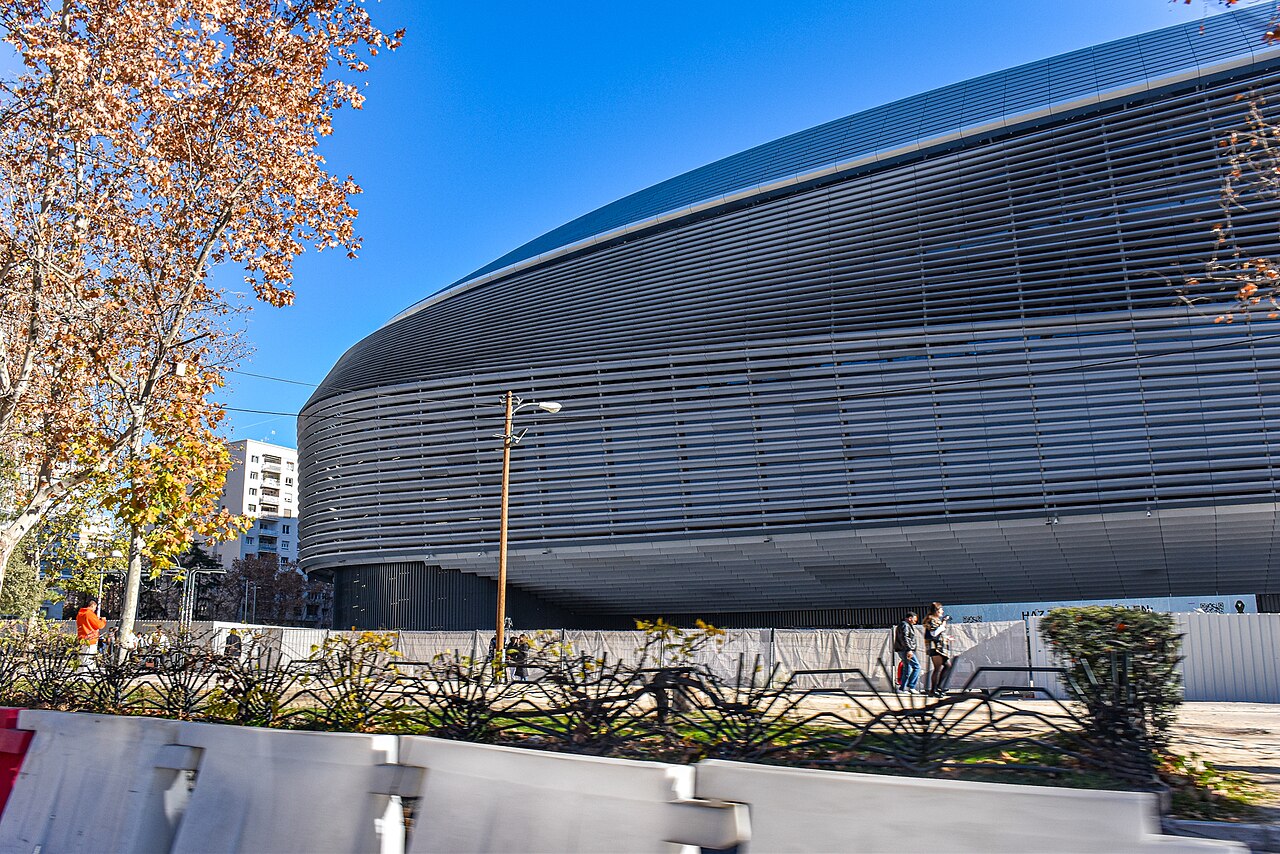
Santiago Bernabéu is Real Madrid's home in Madrid, with a retractable roof and a long European football history. Compare the current match seat map and any event restrictions; the tour route, screens and facilities available can differ from a match ticket’s access.
5. Anfield, Liverpool, England
Anfield’s appeal includes the Kop, You’ll Never Walk Alone and its place in Liverpool’s history. The ground has changed through expansion, while the match experience still depends on the fixture and your section. Use the club’s current travel and ticket guidance for the visit.
6. Signal Iduna Park, Dortmund, Germany
Borussia Dortmund's Signal Iduna Park has 81,365 places in its domestic configuration. The Südtribüne, known as the Yellow Wall, accommodates around 25,000 standing supporters. Check the configuration and ticket conditions for your competition; these figures do not guarantee a particular crowd experience.
7. San Siro, Milan, Italy
San Siro’s exterior towers and steep third tier make it a distinctive shared home for AC Milan and Inter. Both clubs completed the stadium acquisition in November 2025. Follow their current redevelopment and matchday notices; a development plan is not a confirmed closure date.
8. Old Trafford, Manchester, England
Old Trafford is Manchester United's established home, associated with the Stretford End and the club’s long history. Check current club venue and development announcements before booking. A proposal for a new ground does not establish the last date you can attend at the existing stadium.
9. Estadio Banorte (historic Estadio Azteca), Mexico City, Mexico
The historic Azteca, now branded Estadio Banorte, hosted the 1970 and 1986 World Cup finals and Maradona’s famous 1986 goals. Its operator describes the 2026 renovation and more than 85,000 places. Consult the current event configuration, calendar and access arrangements before booking.
10. Wembley Stadium, London, England
Wembley’s arch and the approach along Wembley Way make it a distinctive London visit. It hosts England internationals and FA Cup finals; check the specific event’s ticket allocation, transport and permitted items before planning the trip.
11. Allianz Arena, Munich, Germany
Bayern Munich’s Allianz Arena has around 75,000 places for domestic football, with different configurations for other events. The illuminated facade and Südkurve are part of its appeal. Use the official U6 route to Fröttmaning and the entrance assigned for your ticket, rather than expecting a direct S-Bahn ride.
12. Estadio Centenario, Montevideo, Uruguay
Built for the first World Cup in 1930, the Estadio Centenario is a major part of that tournament’s history. Its Torre de los Homenajes overlooks a ground associated with Uruguayan football and the rivalry between Peñarol and Nacional. The World Cup began in Uruguay; international football tournaments existed earlier.
13. Rajko Mitic Stadium, Belgrade, Serbia
Rajko Mitić Stadium is Red Star’s home in Belgrade, also known as Marakana. Its location on Ljutice Bogdana and the club’s rivalry with Partizan can shape a Belgrade football itinerary. Check the actual fixture and entry rules; atmosphere descriptions here are editorial preferences.
14. Celtic Park, Glasgow, Scotland
Celtic Park in Glasgow’s East End has around 60,000 places and a long Celtic supporter tradition. The setting and matchday singing are reasons to consider it, but a domestic fixture is not interchangeable with a European night. Confirm the date, ticket eligibility and travel route.
15. Stadio Diego Armando Maradona, Naples, Italy
Napoli's home was renamed Stadio Diego Armando Maradona in 2020. The stadium links a Naples visit with the club’s history and supporters. Use the current fixture venue, seat map and entry notice rather than relying on an old capacity figure.
16. Estadio da Luz, Lisbon, Portugal
Benfica’s Estádio da Luz hosted the 2014 Champions League final. The club’s English stadium page describes around 65,000 covered seats; check the current fixture configuration for exact availability. Its red stands and supporter traditions make it a strong Lisbon matchday choice.
17. Tottenham Hotspur Stadium, London, England
Tottenham Hotspur Stadium is one of the modern grounds on this list. Its single-tier South Stand, retractable pitch and stadium brewery are part of its distinctive design. Check the event’s seating configuration and facilities before choosing a ticket.
18. De Kuip, Rotterdam, Netherlands
De Kuip is Feyenoord’s Rotterdam home, opened in 1937. Its curved tiers and long supporter tradition make it a distinctive choice. Compare the official seat map, sale conditions and transport advice for your fixture rather than assuming a capacity or guaranteed noise level.
19. Puskas Arena, Budapest, Hungary
Budapest’s Puskás Aréna is named by UEFA as the host of the 2029 Conference League final. That future appointment is separate from the current match calendar. For a Budapest visit, check the actual fixture, ticket sale and venue before arranging travel.
20. Estadio Monumental, Buenos Aires, Argentina
River Plate’s Estadio Monumental is another Buenos Aires destination, distinct from Boca’s ground. Renovations can change seating capacity and access. For a Superclásico or another league fixture, confirm the venue, sale eligibility and current sector plan through the club.
21. FNB Stadium (Soccer City), Johannesburg, South Africa
FNB Stadium, also known as Soccer City, hosted the 2010 World Cup final in Johannesburg. Its calabash-inspired exterior is part of its identity. A Soweto Derby visit requires confirmation of the fixture venue and ticket rules; do not assume every Kaizer Chiefs–Orlando Pirates match takes place here.
22. King Fahd Stadium, Riyadh, Saudi Arabia
Riyadh’s King Fahd Stadium, historically known as King Fahd International Stadium, is recognisable by its tent-like roof. Before planning a football visit, confirm its current operating status and a scheduled event through the venue or competition organiser, then check ticket availability and entry arrangements.
23. Melbourne Cricket Ground, Melbourne, Australia
The Melbourne Cricket Ground is primarily a cricket and Australian rules football venue, with occasional association-football events. Do not plan a regular A-League Melbourne derby here: the current AAMI Park calendar lists Melbourne Victory versus Melbourne City there. For an MCG football visit, first find a confirmed event on the ground’s official calendar.
24. Stade Velodrome, Marseille, France
Olympique Marseille's Stade Vélodrome offers a Marseille football visit, with the Virage Nord and Virage Sud among its familiar stands. Check the current ticket portal and seating plan, and choose the fixture and section that suit your trip.
25. Hampden Park, Glasgow, Scotland
Hampden Park is Scotland’s national stadium in Glasgow. Its history and association with the phrase Hampden Roar are reasons to consider an international or cup fixture. Check the current match calendar, sale rules and event configuration rather than expecting a guaranteed acoustic experience.
How to start
The 25 stadiums span six continents. Choose the places that fit your interests and travel budget, then plan around confirmed fixtures and tickets. The European groundhopping routes offer additional itinerary ideas; combining visits depends on actual dates and transfer time.
Development proposals can change a stadium trip, but they do not establish closure dates. Read the stadiums changing by 2030 guide for project context, then confirm any venue change through the club before booking.
Track your bucket list
Keep your own shortlist separate from the matches you have actually attended. The guide to how to track football matches explains recording options; personal notes can preserve the stand, date and memories of each visit.
Record attended matches in Footbeen and follow your visited grounds with the stadium tracker. The world map country guides offer ideas for further travel; keep planned visits in your own itinerary until you attend.
Use these 25 destinations as ideas for your own football journey. Start with a fixture you can confirm and a ticket route you can use.
Choose an attendance goal from the current criteria of the Stadium Bucket List challenge or Top 5 Leagues Tour. Keep your own travel shortlist alongside it, and record qualifying matches only after you attend.
Official sources: Borussia Dortmund stadium information; San Siro acquisition announcement.
Keep reading

Start your football journey
Free · iOS & Android · match search ready when you are
 Scan with your phone

